
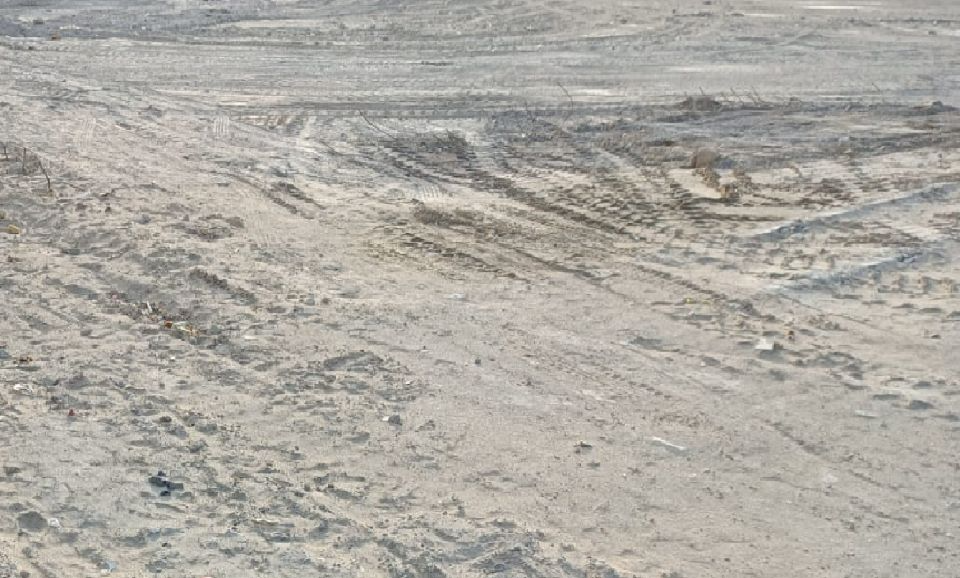
Finding a plot that resonates with your goals is the first spark of a significant venture. It feels like the beginning of something important, a foundation waiting to be built upon. However, the gap between initial attraction and successful ownership is bridged by knowledge. Entering this process with more passion than preparation can expose you to risks that are easily avoided.
The smart move is to channel that initial excitement into a focused effort to learn everything about the property. This due diligence is not a burden, but the very tool that secures your investment. Consider this your essential primer for when you decide to buy plots in Sharjah.
Check the title deed and ownership history:
The first thing to do is verify who really owns the land. Ask to see the original title deed. This document tells the story of the land and who has held it over the years. You want a clear chain of ownership, meaning the person selling it to you has a legitimate right to do so. Look for any disputes or legal cases mentioned. A clean history gives you peace of mind that no one else can come forward later with a claim.
Verify land use and zoning rules:
Not all land is the same. A plot meant for farming cannot be used to build a house. You must check with the local municipal or planning office to see how the land is classified. This tells you what you are allowed to build and how you can use the space. It is disappointing to buy a plot only to find out later that you cannot construct the home you wanted because of zoning restrictions.
Confirm exact measurements and boundaries:
The size of the plot on paper should match what is on the ground. Sometimes the physical markers, like fences or stones, have been moved or are missing. Hire a licensed surveyor to measure the land and confirm the boundaries. This step prevents future arguments with neighbors and ensures you are paying for the correct amount of land.
Check for existing loans or mortgages:
Land is often used as collateral for bank loans. The seller might have an outstanding loan against the property. If this is the case, the bank has a legal claim on the land until the debt is cleared. You must ensure that the seller provides a clearance certificate from their lender.